For many energy consumers, the most important consideration is the reliability of electricity supply. Outages or reliability of grid services caused by weather events can greatly affect your ability to meet production schedules, keep tenants comfortable, provide medical care, or deliver critical products or services. The energy strategy provided by CISA ensures that your facility provides sufficient uptime during catastrophic events and limits or eliminates the threat of short-term power losses - microgrids.
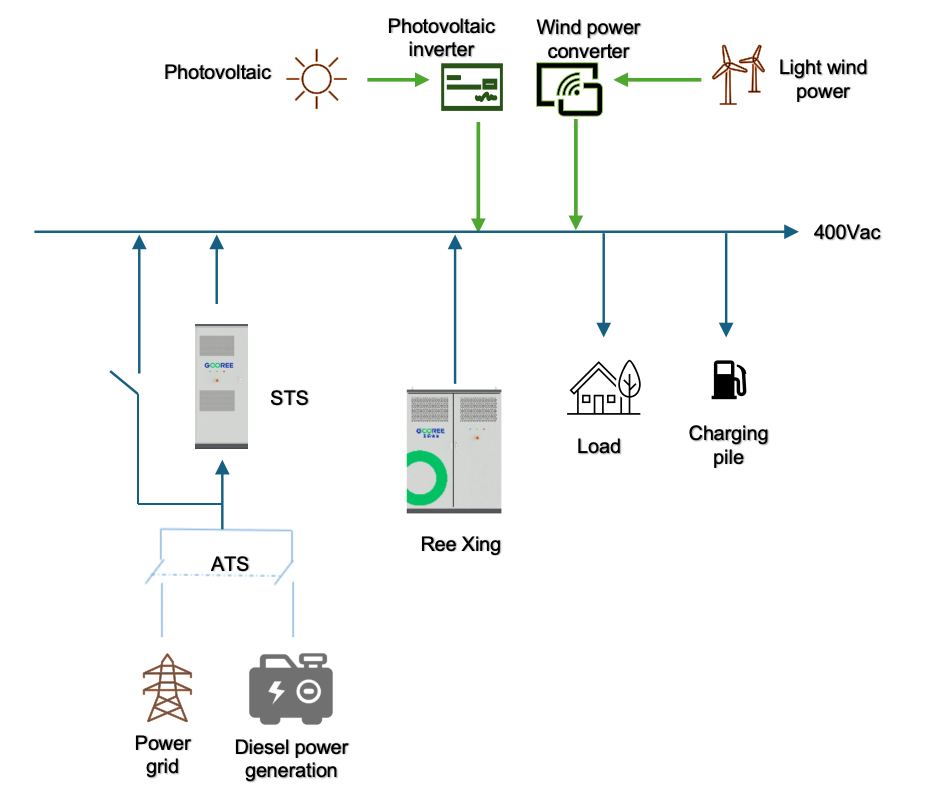
In simple terms, it is a local energy grid that allows user control. This means that the grid can be connected or disconnected from the conventional grid and operate independently. When combined with renewable energy sources, microgrids have the ability to become a major feature of the autonomous continuous energy supply of the grid.
Integrate clean energy generation resources (solar, wind and other renewable energy sources) into the microgrid;
Complete redundancy and continuous and uninterrupted operation of facilities during power outage;
Through the supply of renewable energy to achieve energy self-use; Participate in energy management strategy, including demand response, peak load and valley load, etc.
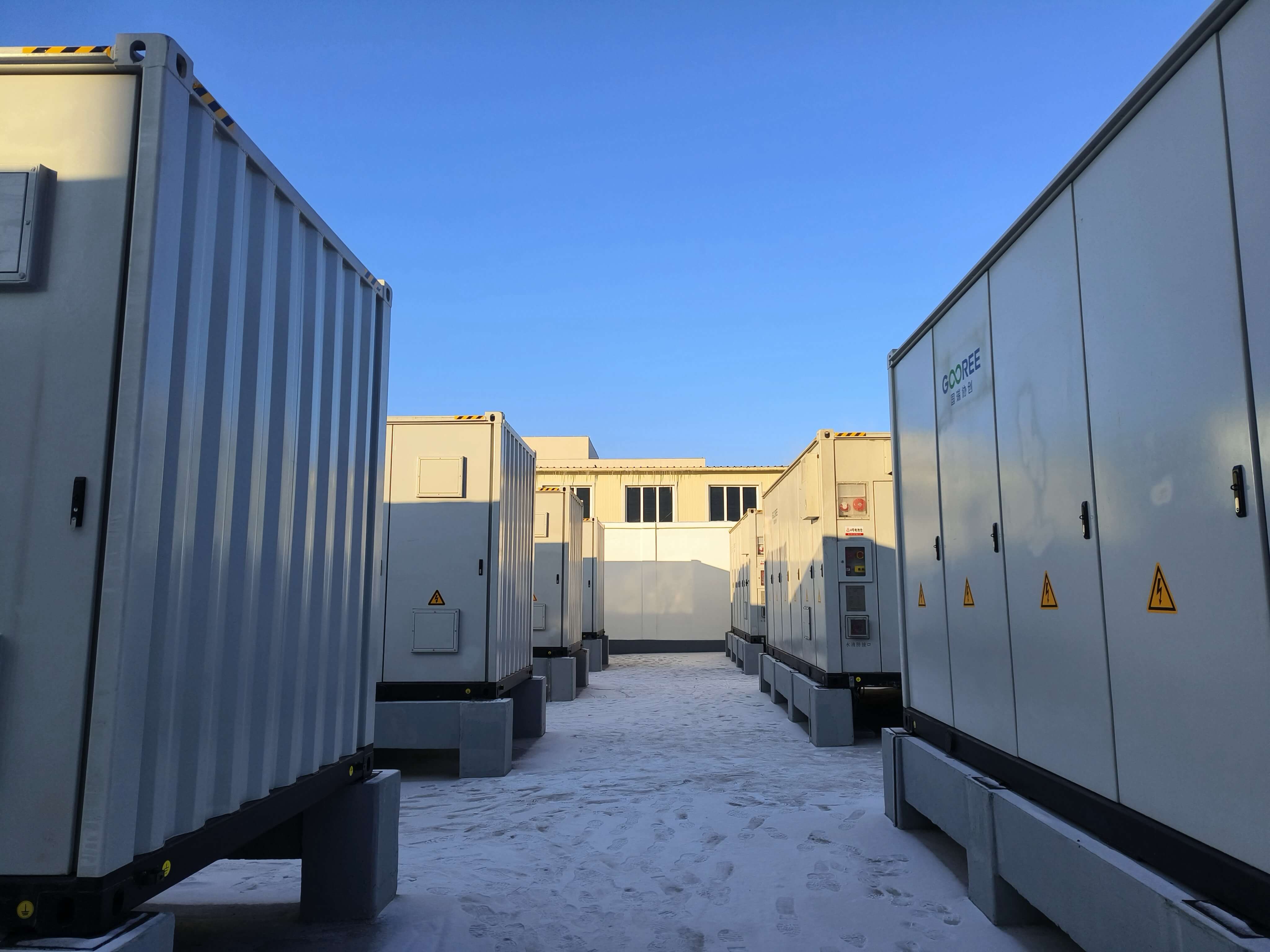
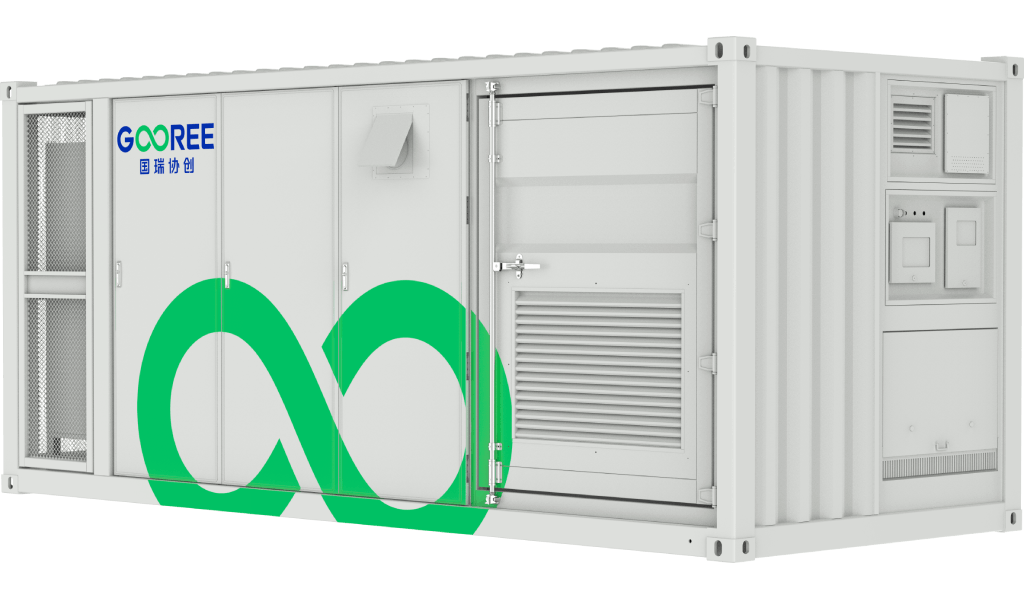
The program integrates renewable energy generation, electrochemical energy storage, super charging pile and other innovative technologies, flexible combination, both for electric steam The car provides power supply, alleviates the impact on the power grid, and realizes the auxiliary service functions such as peak filling and valley filling, and also improves the operation efficiency of the power grid Rate. It can provide backup power for commercial complexes and industrial users, avoid temporary power outages, and improve the reliability of power supply.
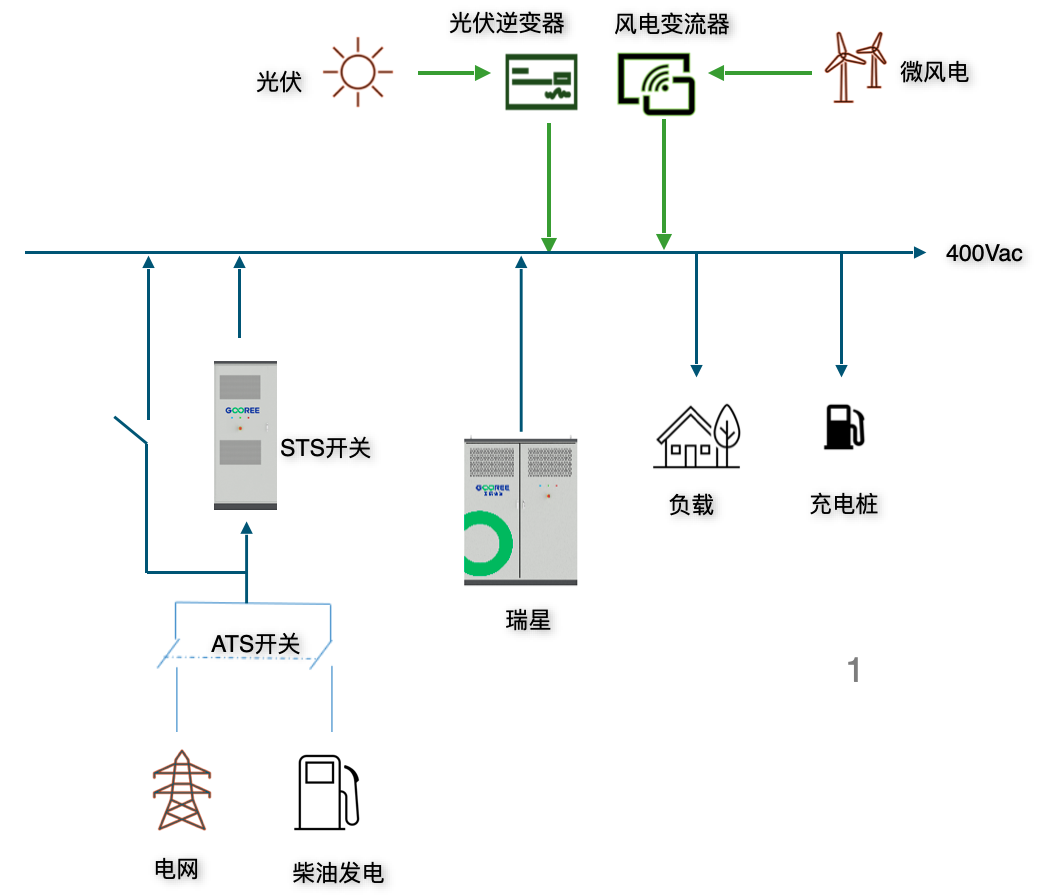
Sustainability: Integrating clean energy generation resources (renewable energy sources such as solar and wind) into the microgrid
Reliability: complete redundancy of facilities and continuous, uninterrupted operation during grid outages are achieved
Economic: through renewable energy supply, to achieve energy self-use; Participate in energy management strategies, including demand response, peak load and valley load, etc